

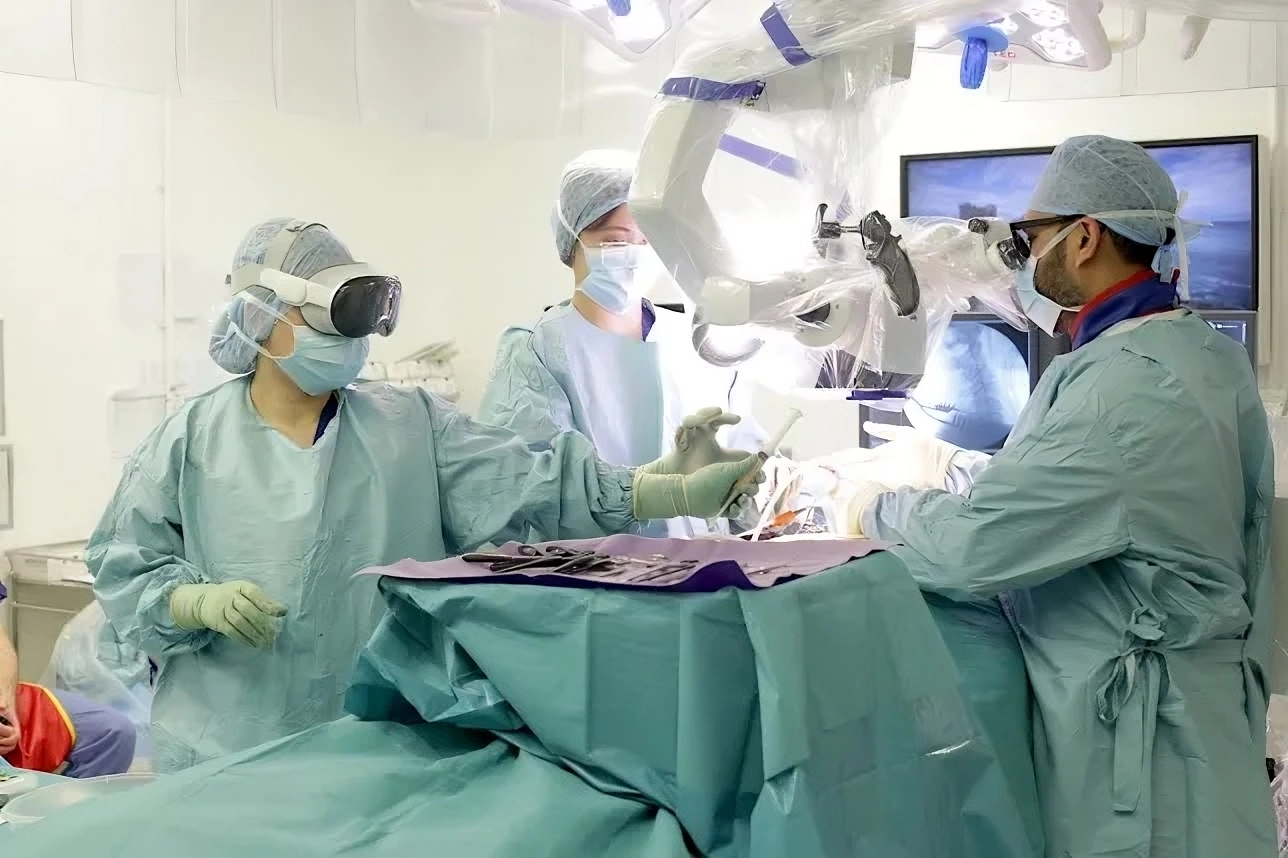
From the introduction of high-fidelity manikins to the rise of Virtual Reality (VR), we have constantly sought better ways to train clinicians.
Today, we are standing on the precipice of the next great leap: Spatial Computing in Healthcare Simulation.
Jun Lin speaking during the workshop session at the 2025 S3 Conference at Academia @ SGH. Available at www.redairship.com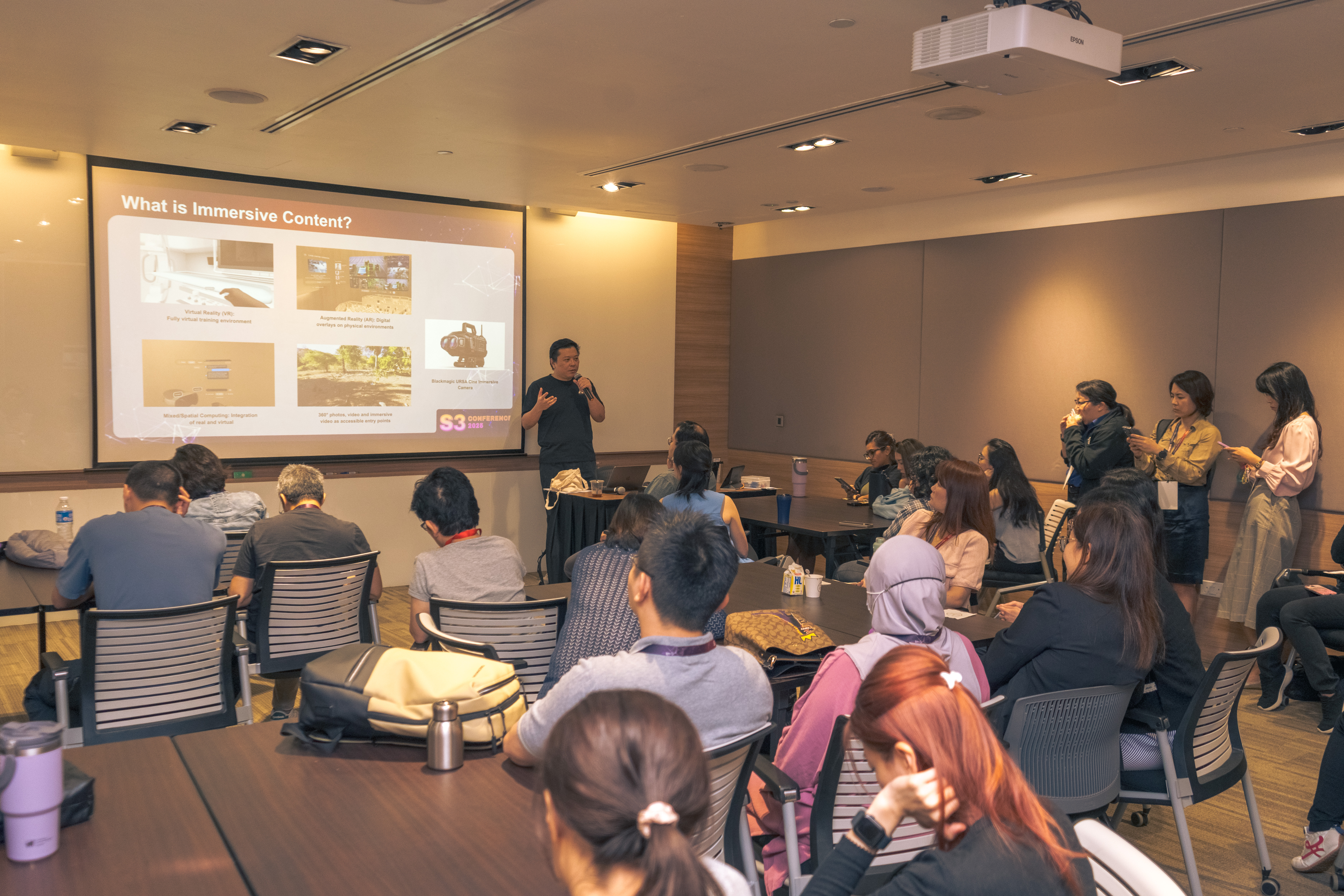
At a Red Airship workshop at S3 Conference 2025, we explored how institutions are moving beyond "interactive PowerPoints" to create immersive, high-fidelity environments that blend the physical and digital worlds. If you are a medical director or healthcare educator in Singapore looking to future-proof your training programs, the integration of devices like the Apple Vision Pro and Meta Quest 3 offers a critical advantage in enhancing learner engagement and training program scalability.
Why Immersive Spatial Computing Matters Now
Why is everyone talking about spatial computing now?
Doctors using Apple Vision Pro at Sharp HealthCare Available at www.sharp.com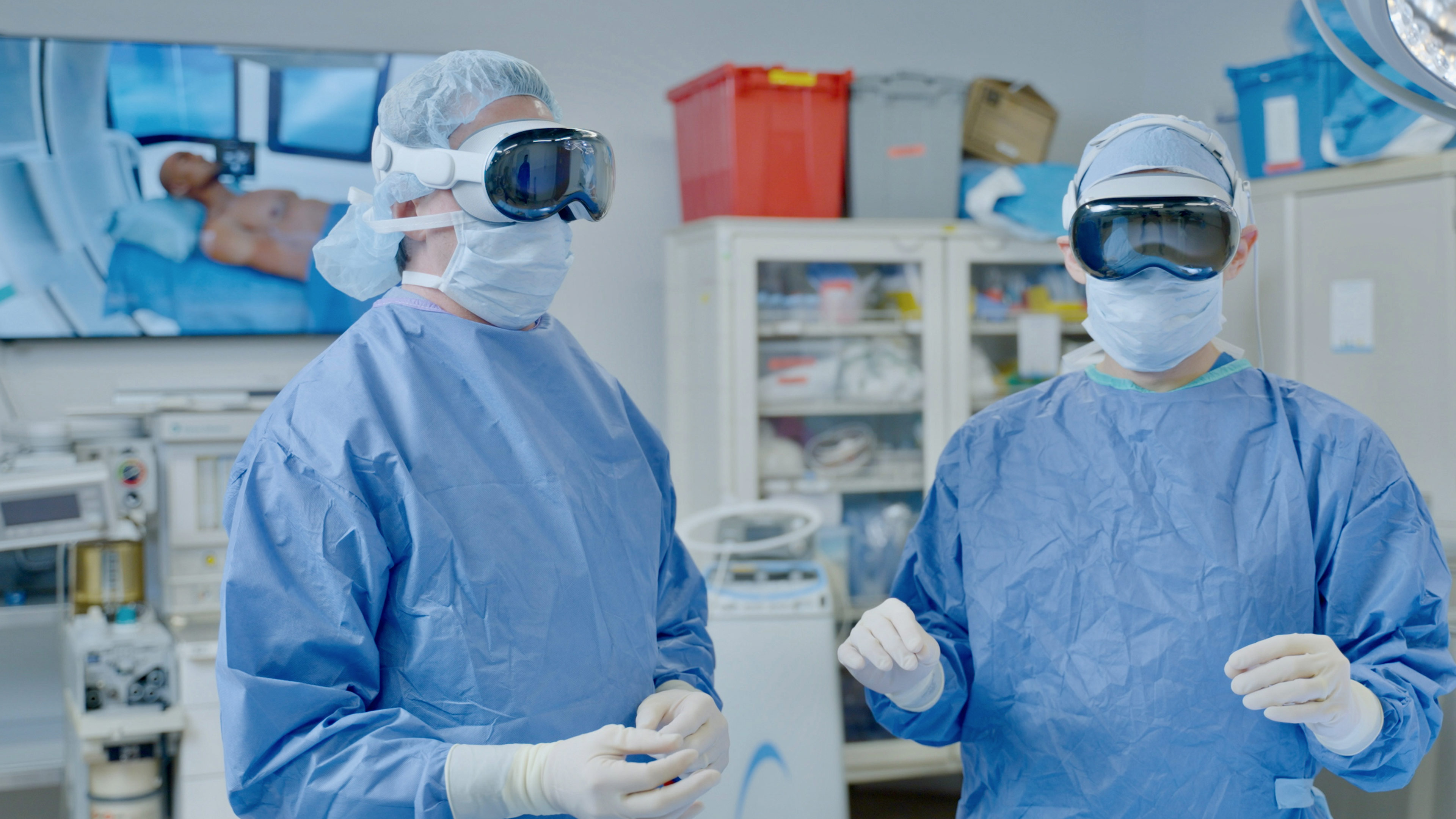
The hardware has finally caught up to the vision. We have moved past clunky, tethered headsets to modern Head-Mounted Displays (HMDs) like the Apple Vision Pro and Meta Quest 3. These aren't just gaming devices; they are powerful tools capable of reshaping medical procedures and workflows.
We are already seeing major players adopt this:
Sharp Healthcare launched a Spatial Computing Center of Excellence focused on the Apple Vision Pro.
UC San Diego Health is conducting clinical trials to evaluate spatial computing apps directly in the operating room.
Even Institutes of Higher Learning (IHLs) are adapting rapidly. From Purdue University opening a Spatial Computing Hub to NUS running spatial computing hackathons, the academic pipeline is preparing the next generation of clinicians for a spatial world.
The Evolution of Simulation: Beyond the Manikin
To understand where we are going, we must look at where we’ve been. During our workshop, we mapped the evolution of simulation:
Chart of Evolution of Healthcare Simulation presented at S3 Conference 2025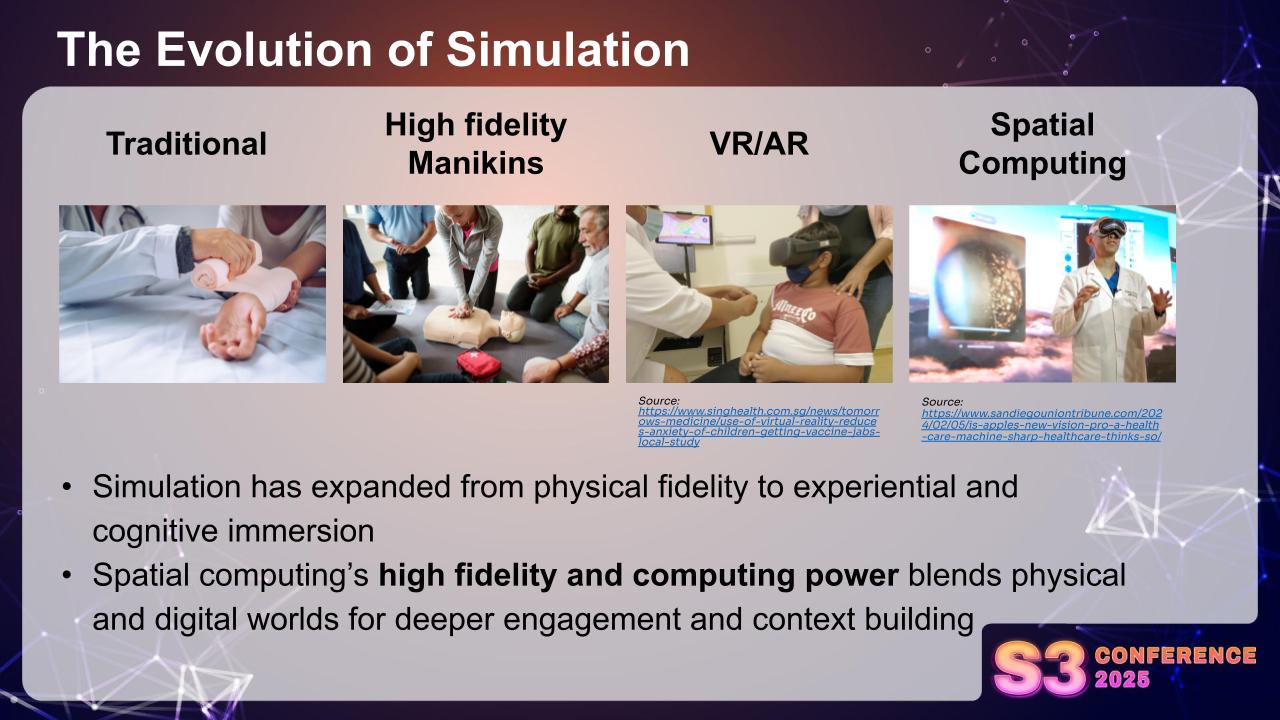
Traditional: Textbooks and standard lectures.
High Fidelity Manikins: Physical realism, but limited by location and wear-and-tear.
VR/AR: Visual immersion, but often isolated from the real world.
Spatial Computing: The blend of high-fidelity computing power with the physical world.
The key difference? Simulation has expanded from physical fidelity (how real the dummy looks) to experiential and cognitive immersion (how real the pressure and context feel).
Spatial computing allows for Mixed Reality. It integrates real tools and environments with virtual data. This supports hybrid training where a learner can see their real hands and medical instruments while interacting with a digital patient overlay. This level of realism enhances learner engagement and scalability in ways physical manikins simply cannot.
What is Immersive Content? (It’s Not Just VR)
There is often confusion about the terminology. Here is how we define the spectrum at Red Airship:
Virtual Reality (VR): A fully virtual training environment. You are "transported" elsewhere.
Augmented Reality (AR): Digital overlays on your physical environment (like a floating checklist).
Mixed/Spatial Computing: Deep integration where the digital and physical interact.
360° Video: An accessible entry point using tools like the Blackmagic URSA Cine Immersive Camera to capture real-world surgeries for later review.
Read here on the different immersive content formats.
Where to Apply Immersive Simulation in Your Hospital
You do not need to replace your entire curriculum overnight. We recommend identifying specific gaps where immersive content enhances the learning outcome.
1. Pre-briefing and Orientation
Before a trainee ever touches a patient, they can tour the OR or familiarise themselves with equipment placement using a spatial headset.
Simulation room for medical equipment training in Immersive Suite Red Airship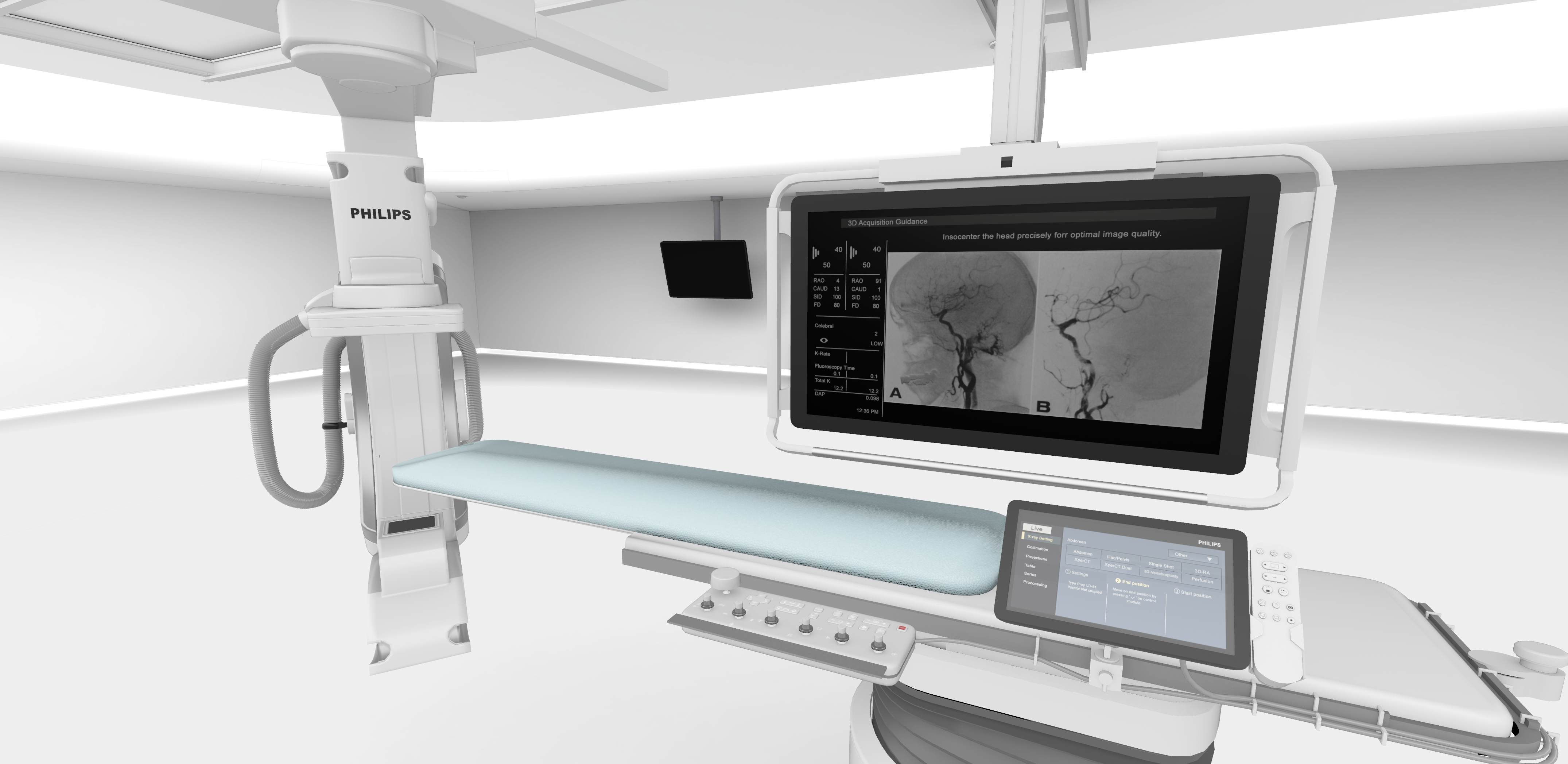
2. Active Scenario Execution
Run complex, high-risk scenarios that are difficult or expensive to recreate with physical actors.
3. Debriefing and Performance Review
Spatial computing allows for recording and playback of the simulation from multiple angles, offering data-driven insights during debriefing.
Medical Imaging Visualisation with Visage Ease VP™ Visage Imaging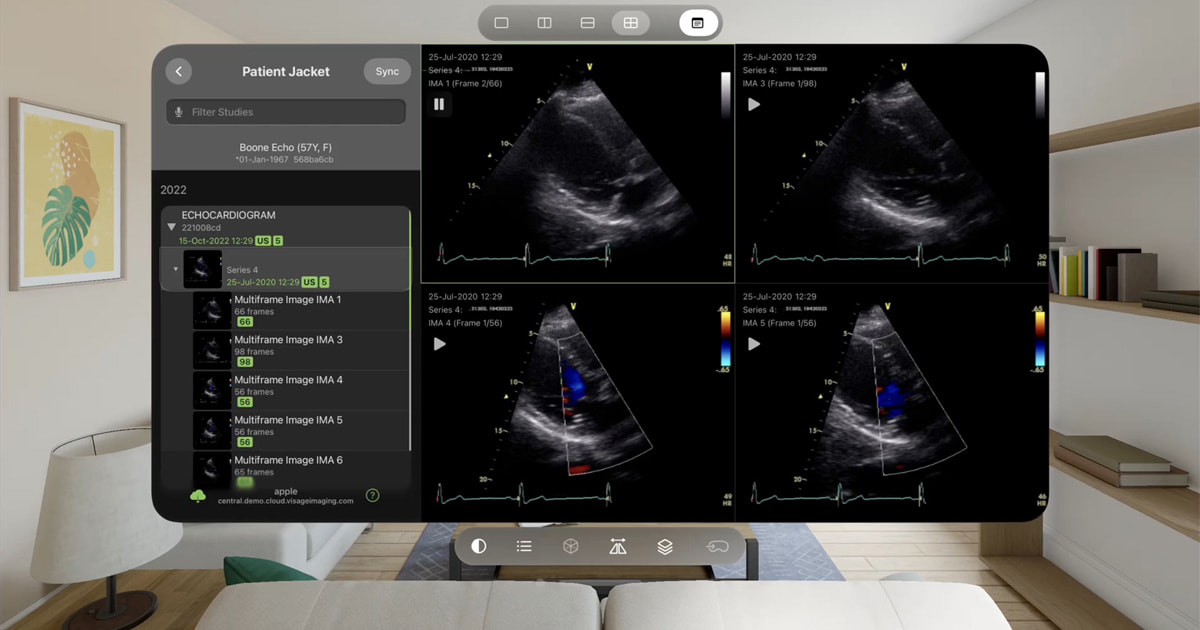
Activity: Design Your Immersive Scenario
At Red Airship, we believe in starting small to prove value. If you are ready to explore this, try this simple framework we use in our workshops:
Choose a Scenario: Pick a current training module (e.g., Code Blue response).
Identify the Enhancement: Ask, "Where does the physical simulation fail?" Is it a lack of visual urgency? Is it hard to replicate the crowded room? This is where immersive content fits.
Outline the Experience: sketch out what the participant sees. Do they see a digital vitals monitor floating above a physical bed?
You don't have to navigate the technical complexities alone.
At Red Airship, we help healthcare leaders turn clinical concepts into immersive applications.
Contact us today to schedule a consultation and see how spatial computing can elevate your simulation centre.
Key Takeaways
Immersive media allows you to simulate scenarios that are too dangerous or costly for real life.
Spatial computing connects physical workflows with digital data seamlessly.
Provide a spark, start small, focus on clinical outcomes, and keep iterating.
Rate this insight
Was this article useful?
Click to rate